
Drywall Repair vs Drywall Installation in Burlington
Updated June 17, 2026
A Burlington comparison guide explaining when drywall repair is enough, when installation is better, and how taping and finishing affect the final result.
- Trusted since 2005
- Fully insured
- Dust-controlled sanding
- Paint-ready finishing
- 3-year workmanship warranty
Quick Answer
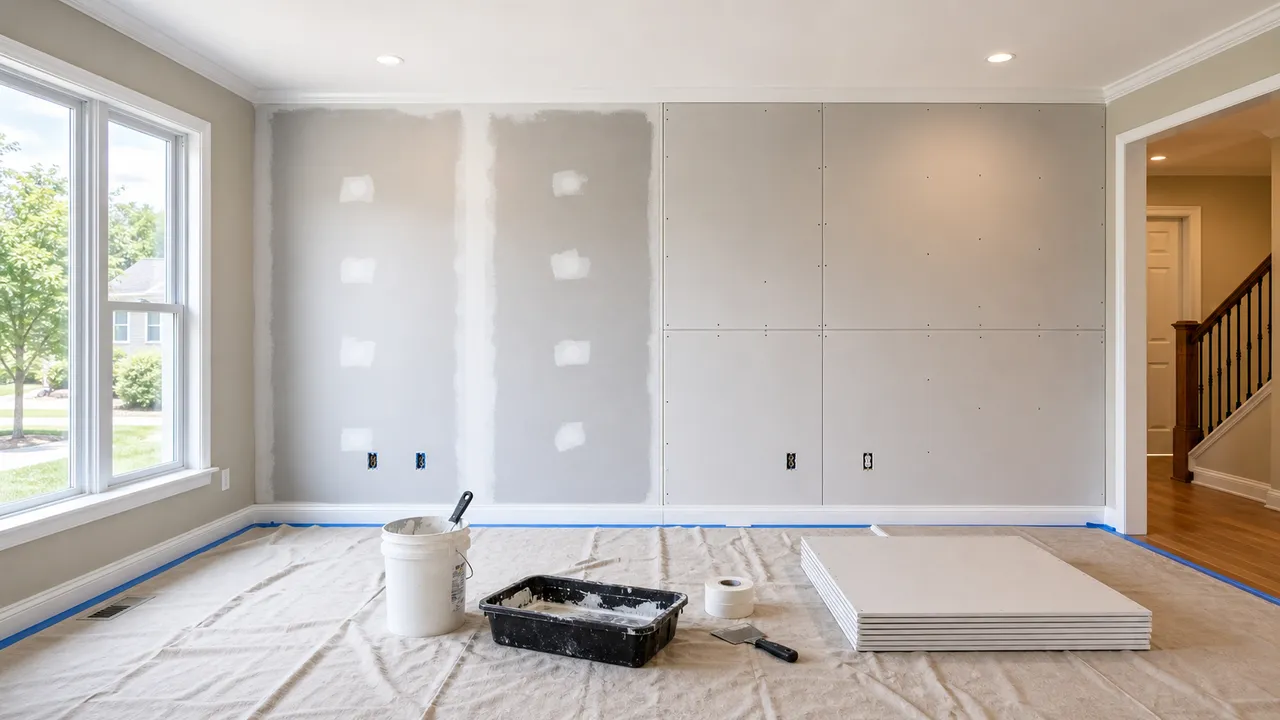
Choose drywall repair in Burlington for isolated holes, cracks, dents, failed tape, and trade cut-outs. Choose drywall installation when the project needs new board, a full room, a basement, ceiling replacement, or a larger damaged section. Some projects need both repair blending and new installation.
Burlington homeowners often ask whether they need drywall repair or drywall installation because the difference is not always obvious. A small hole after electrical work is usually a repair. A basement wall, ceiling rebuild, or damaged section that needs new board is closer to installation.
For isolated damage, start with drywall repair in Burlington. When the scope becomes a full wall, ceiling, basement, or renovation area, compare it with drywall installation in Burlington before approving a quote.
This guide explains how to choose between repair and installation, what taping and finishing should include, and when a proper drywall contractor is safer than a handyman patch.
Plan the scope before pricing
For a clearer Burlington drywall contractor work quote, send wide room photos, close-ups of seams or damage, rough dimensions, ceiling height, timing, and whether painting is included. EPF can confirm whether the job needs repair, installation, taping, skim coating, or a full paint-ready finish.
Quick answer
Choose drywall repair in Burlington for isolated holes, cracks, dents, failed tape, and trade cut-outs. Choose drywall installation when the project needs new board, a full room, a basement, ceiling replacement, or a larger damaged section. Some projects need both repair blending and new installation.
Drywall repair, installation, taping and finishing compared
Drywall quotes can sound similar while covering very different work. One contractor may price only the board hanging. Another may include taping, mudding, sanding, primer, cleanup, and repair blending. Homeowners should compare the actual scope, not just the word drywall.
| Drywall scope | What it includes | Why it matters in Burlington |
|---|---|---|
| Repair | Patching holes, cracks, water cut-outs, failed tape, dents, ceiling damage, and trade openings. | Good repair prevents patch lines from showing after primer and paint. |
| Installation | Board hanging for basements, ceilings, additions, remodels, and rebuilt wall sections. | Straight layout and proper fastening affect every finishing coat after it. |
| Taping and mudding | Embedding tape, building coats, corner bead, inside corners, and feathered compound work. | This is where rushed drywall starts to show humps, seams, and corner problems. |
| Paint-ready finishing | Sanding, skim coating where needed, primer planning, and final checks under real light. | Bright rooms, pot lights, and smooth paint expose weak finish work quickly. |
Drywall repair vs drywall installation: how to choose
Choose repair when the damage is isolated and the surrounding drywall is stable. That can include small holes, nail pops, dents, cracks, failed tape, minor ceiling damage, or access holes after plumbing and electrical work. The goal is to rebuild the damaged area, feather the repair wide, sand cleanly, and leave the surface ready for primer.
Choose installation when the scope involves new rooms, full walls, basement finishing, ceiling replacement, additions, large water-damaged areas, or board that has been removed during demolition. Installation includes layout, board hanging, fastening, taping, mudding, sanding, and finish-level planning. It is usually more than a patch.
Some Burlington projects need both. A basement renovation might require new board in one room and repair blending in the stairwell. A kitchen remodel might need installation around an opening and repair on surrounding walls. The quote should explain where repair ends and installation begins.
Installation vs repair vs taping, mudding and finishing
Drywall installation is usually the right term when new board is being hung. That includes basements, additions, rebuilt ceilings, remodels, and larger wall sections. The quality starts with layout, board type, fastening, clean cut-outs, and proper backing. If those choices are wrong, taping and paint will not fully hide the problem.
Drywall repair is more focused. It deals with holes, cracks, failed seams, water-stained sections, dented corners, nail pops, and trade cut-outs. A repair can still require strong backing, new board, tape, multiple compound coats, sanding, primer, and repaint planning. Small does not always mean simple if the repair sits in strong light.
Taping and mudding are the bridge between board and finish. Tape reinforces seams and inside corners. Compound coats build a feathered transition. Corner bead protects outside corners. Each coat needs enough time to dry and enough width to avoid a visible ridge after sanding.
Finishing is the stage homeowners judge after paint. Level 4 is common for many painted walls and ceilings. Level 5 adds extra surface treatment for higher-visibility areas. The right finish level depends on lighting, paint sheen, room use, and how smooth the final surface needs to look.
When you need a drywall contractor instead of a handyman
A handyman may be fine for a tiny low-visibility patch where the final finish is not critical. A drywall contractor is the safer choice when the work affects a larger wall, a ceiling, a basement, a bright room, repeated cracks, failed tape, water damage, or any surface that must look clean after primer and paint.
You should also choose a drywall contractor when the work connects with other trades. Electrical openings, plumbing access, HVAC changes, pot lights, bulkheads, framing changes, and insulation work can all affect drywall sequencing. If the drywall is closed too early or patched too narrowly, another trade may need to open it again.
Ceilings are another reason to hire a drywall specialist. Overhead work is harder to hang, tape, sand, and inspect. Pot lights and daylight can expose small waves, ridges, and sanding marks. A ceiling patch that looks acceptable before primer can become obvious after flat ceiling paint.
The contractor should be able to explain the repair method, finish level, dust-control plan, drying time, and painting handoff. If the quote only says patch drywall with no mention of tape, compound, sanding, primer, protection, or cleanup, it is not detailed enough for a visible room.
Plan the scope before pricing
For a clearer Burlington drywall contractor work quote, send wide room photos, close-ups of seams or damage, rough dimensions, ceiling height, timing, and whether painting is included. EPF can confirm whether the job needs repair, installation, taping, skim coating, or a full paint-ready finish.
What affects drywall cost and timeline
Drywall cost and timeline depend on the real scope, not only the square footage. Room size matters, but so do ceiling height, board type, number of seams, outside corners, access, furniture, old damage, drying time, sanding control, and whether the job includes primer or paint.
A simple patch can sometimes move quickly. A full basement, ceiling replacement, or multi-room renovation usually needs several stages because compound has to dry between coats. Rushing the schedule can lead to shrinkage, sanding scratches, flashing, and visible seams after paint.
In Burlington, access can also affect the day. Finished homes need protection. Condos may need elevator timing. Basements need stair access and material handling. Occupied homes need room-by-room sequencing and daily cleanup. These details are part of the quote, not extras that can be ignored.
The finish level also changes cost. A utility room may not need the same finish as a bright living room. A smooth ceiling may need more careful sanding and inspection than a closet wall. A Level 5 surface takes more labour because it treats the whole surface, not only the seams.
What a paint-ready finish should include
Paint-ready drywall should be properly fastened, taped, coated, sanded, and checked before primer. It should not have loose tape, proud screws, torn paper, heavy ridges, fuzzy drywall paper, open corner bead, or sanding scratches that will show through the first coat.
Paint-ready does not always mean painted. Some quotes stop when the surface is ready for a painter. Others include primer and finish coats. That line should be clear before work starts. If primer is excluded, the homeowner should still understand whether spot primer or full primer is recommended after repair.
A good handoff also explains what to expect from lighting. Strong side light can reveal small imperfections that normal overhead light hides. A contractor should inspect visible walls and ceilings from more than one angle before calling the job ready.
When drywall work is followed by painting, the related interior painting service can help coordinate primer, wall paint, trim paint, and final finish coats after the drywall has been repaired or installed.
EPF Pro Services drywall process
EPF keeps the process practical because homeowners need to know what will happen inside the room. The details change by project, but a clean drywall scope usually follows this sequence:
- Review photos, room size, ceiling height, access, and existing wall or ceiling condition.
- Protect floors, nearby rooms, vents, trim, cabinets, and finished surfaces before work starts.
- Hang new drywall or repair damaged board with backing, proper fastening, and clean cut-outs.
- Tape, mud, install corner bead, and skim where needed so seams and repairs are feathered properly.
- Sand with dust control and HEPA vacuum support where appropriate instead of spreading dust through the home.
- Prime or leave the surface paint-ready depending on the written scope and next trade.
- Clean the work area, review the finish, and explain what should happen before painting.
This process is important because drywall is not finished in one visible step. The final look comes from many smaller decisions: how the board is supported, how seams are placed, how wide the compound is feathered, how sanding is controlled, and whether primer or painting is planned after the surface is ready.
Local drywall service notes for Burlington
Burlington drywall projects often involve family homes, finished basements, kitchens, stairwells, ceilings, and repair work after other trades. The practical challenge is protecting lived-in spaces while still getting straight seams, clean sanding, and a paint-ready result.
Many Burlington homes need room-by-room sequencing so bedrooms, kitchens, and family spaces can stay usable. That makes protection, cleanup, and clear communication part of the drywall scope.
Stairwells, hallways, and open main floors can show seams under side light. A drywall contractor should plan finishing around how the room will actually be painted and lit.
Repair and installation often overlap in Burlington renovations. A kitchen opening, basement rebuild, or electrical cut-out can need new board in one area and repair blending in the surrounding walls.
Local service content should be useful, not a city name swapped into the same sentence. The practical local point is that homes differ by age, access, lighting, room use, and renovation history. A drywall quote should account for those conditions before pricing the job.
Questions to ask before hiring a drywall contractor
Before hiring, ask what exact surfaces are included, whether the work is repair or installation, how many coats are planned, what finish level is included, whether sanding uses dust control, and whether primer or paint is included. These questions make quotes easier to compare.
- Are board hanging, taping, mudding, sanding, and cleanup all included?
- Is the surface being left paint-ready, primed, or fully painted?
- What finish level is recommended for the room and lighting?
- How will floors, vents, furniture, trim, and nearby rooms be protected?
- What happens if hidden damage, moisture staining, or weak framing is found?
- How many visits are expected and what drying time is needed?
- What photos, room sizes, and access details should I send before scheduling?
Common drywall quote mistakes to avoid
The most common mistake is comparing two prices without comparing the scope. One quote may include only board hanging or a quick patch. Another may include protection, taping, compound coats, sanding, primer planning, cleanup, and a paint-ready inspection. Those are not the same job, even if both contractors use the word drywall.
Another mistake is assuming the finish level is obvious. A contractor may think Level 4 is enough for a standard wall, while the homeowner expects a smoother surface for strong daylight, pot lights, or darker paint. That expectation should be discussed before the work begins, not after primer reveals every small ridge.
Homeowners should also avoid approving a quote that ignores the surrounding room. A wall patch beside new trim, fresh flooring, cabinets, or a finished staircase needs more protection and more careful sanding than a rough renovation area. The setup can be part of the value, especially in occupied homes.
The last mistake is treating primer and painting as automatic. Drywall can be left paint-ready, spot-primed, fully primed, or painted depending on the agreement. If that line is unclear, the homeowner may think the room is finished while the painter still sees repair edges, sanding dust, or unsealed compound.
What to send before asking for a price
Good photos help a drywall contractor understand the scope before the first visit. Send one wide photo from each corner of the room, close photos of damage, seams, corners, stains, ceiling areas, and any openings left by electricians, plumbers, HVAC work, TV mounts, pot lights, or old fixtures.
Add rough dimensions, ceiling height, whether the room is furnished, whether floors are finished, and whether painting is already scheduled. For basements, mention bulkheads, low ceilings, storage, stairs, utility rooms, mechanical lines, and any history of moisture or leak repairs. For condos, mention elevator access, parking, building rules, and working-hour limits.
If you already know the final finish expectation, say it clearly. A utility-room repair, a rental refresh, a basement family room, a smooth ceiling, and a high-visibility feature wall all need different levels of care. The better the information, the more useful the quote becomes.
How this guide supports your next step
If you are planning the work now, compare the local drywall installation in Burlington page with the local drywall repair in Burlington page. For broader service details, review drywall installation services and drywall repair services.
The best next step is not to guess from a short description. Send photos and a few measurements. EPF can tell you whether the project looks like repair, installation, taping only, finishing correction, basement drywall, or a paint-ready scope that should be quoted in more detail.
Plan the scope before pricing
For a clearer Burlington drywall contractor work quote, send wide room photos, close-ups of seams or damage, rough dimensions, ceiling height, timing, and whether painting is included. EPF can confirm whether the job needs repair, installation, taping, skim coating, or a full paint-ready finish.
Bottom line
Drywall Repair vs Drywall Installation in Burlington is about more than finding someone to put compound on a wall. The right drywall contractor should understand installation, repair, taping, mudding, sanding, dust control, finish level, and painting handoff. When those details are clear before the job starts, the final room has a much better chance of looking clean after primer and paint.
FAQ
How much does a drywall contractor cost in Burlington?
Cost depends on square footage, ceiling height, access, board type, repair size, finish level, number of coats, sanding control, cleanup, and whether primer or painting is included. Photos and rough dimensions help narrow the quote.
Do I need drywall repair or drywall installation in Burlington?
Repair is usually enough for isolated holes, cracks, tape failure, dents, and trade cut-outs. Installation is usually needed for full rooms, basements, additions, water-damaged sections, or walls and ceilings that need new board.
Does drywall work include taping, mudding, and sanding?
It should be clearly stated in the quote. EPF scopes can include hanging, repair, taping, mudding, sanding with dust control, primer planning, and paint-ready finishing depending on what the room needs.
What does paint-ready drywall mean?
Paint-ready drywall should be properly taped, coated, sanded, checked for ridges or scratches, and ready for primer. It does not always mean final paint is included, so that should be confirmed in writing.
When is Level 5 drywall finishing worth it?
Level 5 can make sense on bright walls, smooth ceilings, long sightlines, and areas with strong raking light. Standard rooms may only need a clean Level 4 finish.
Can drywall work be done in an occupied home?
Yes. Occupied homes need floor protection, dust control, room-by-room sequencing, daily cleanup, and clear access planning so the rest of the home stays usable.
What photos should I send for a drywall quote?
Send wide photos of each room, close-ups of damage or seams, rough dimensions, ceiling height, photos of electrical or plumbing cut-outs, and notes about timing, access, furniture, and painting.
Can drywall repair be coordinated with painting?
Yes. Drywall repair and installation should be planned before interior painting so patches, seams, sanding scratches, primer, and finish coats are sequenced cleanly.
Drywall service pages and guides
Plan the Right Drywall Service Next
drywall installation in Burlington
City service page for board hanging, taping, sanding, and paint-ready finishing.
drywall repair in Burlington
City service page for holes, cracks, ceiling repairs, cut-outs, and patch finishing.
drywall installation service
Main drywall installation hub for full-room and renovation drywall scopes.
drywall repair service
Main drywall repair hub for patching, ceiling repair, seams, cracks, and dents.
Level 4 vs Level 5 drywall finish
Helpful if you are deciding how smooth the finished wall or ceiling needs to be.
interior painting after drywall work
Helpful when the drywall scope needs primer, wall paint, trim, or ceiling painting.
request a drywall quote
Send photos, dimensions, timing, and finish expectations for review.
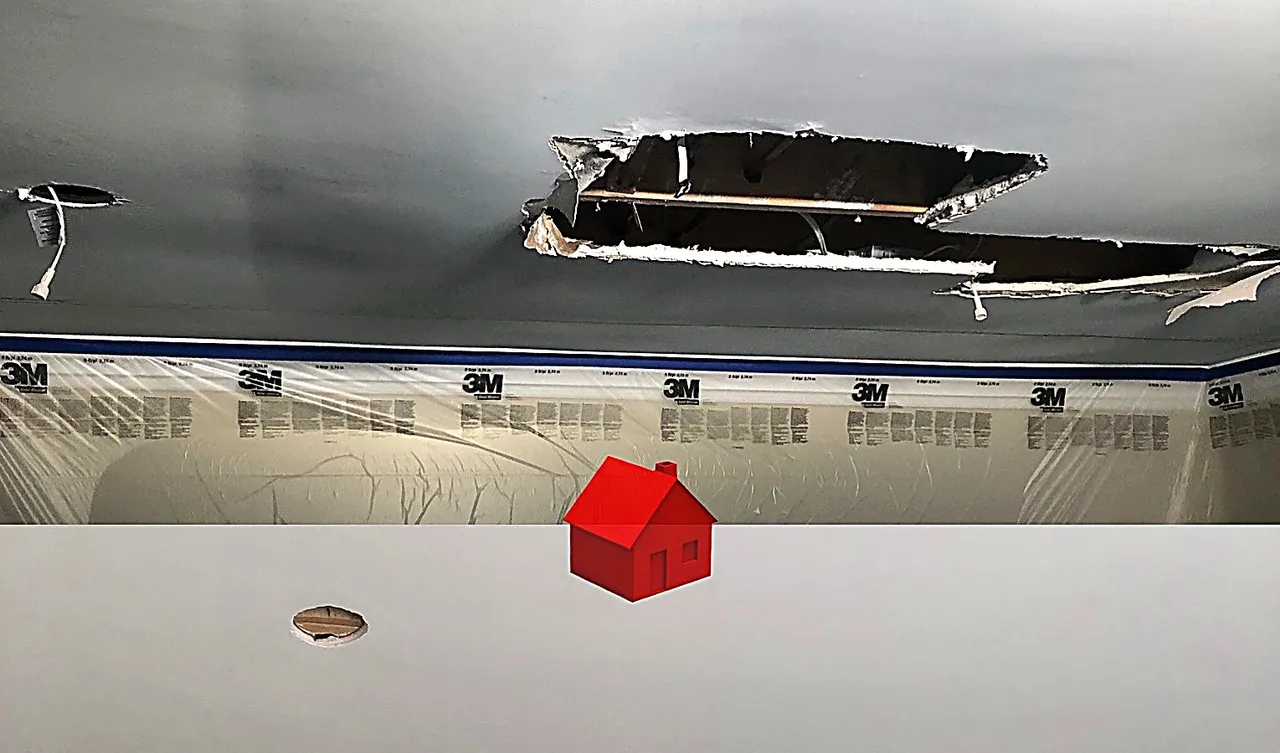
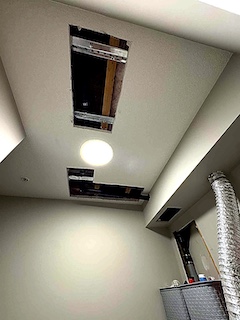
Field Photos
What the Work Can Look Like
Article Review
AuthorAlex - EPF Pro Services
Reviewed byEPF Pro Services
UpdatedJune 17, 2026
Plan your drywall scope
Get a drywall quote today
Share photos, room sizes, and timing. We reply the same day with Burlington drywall availability and a clearer written scope.
Quick next step